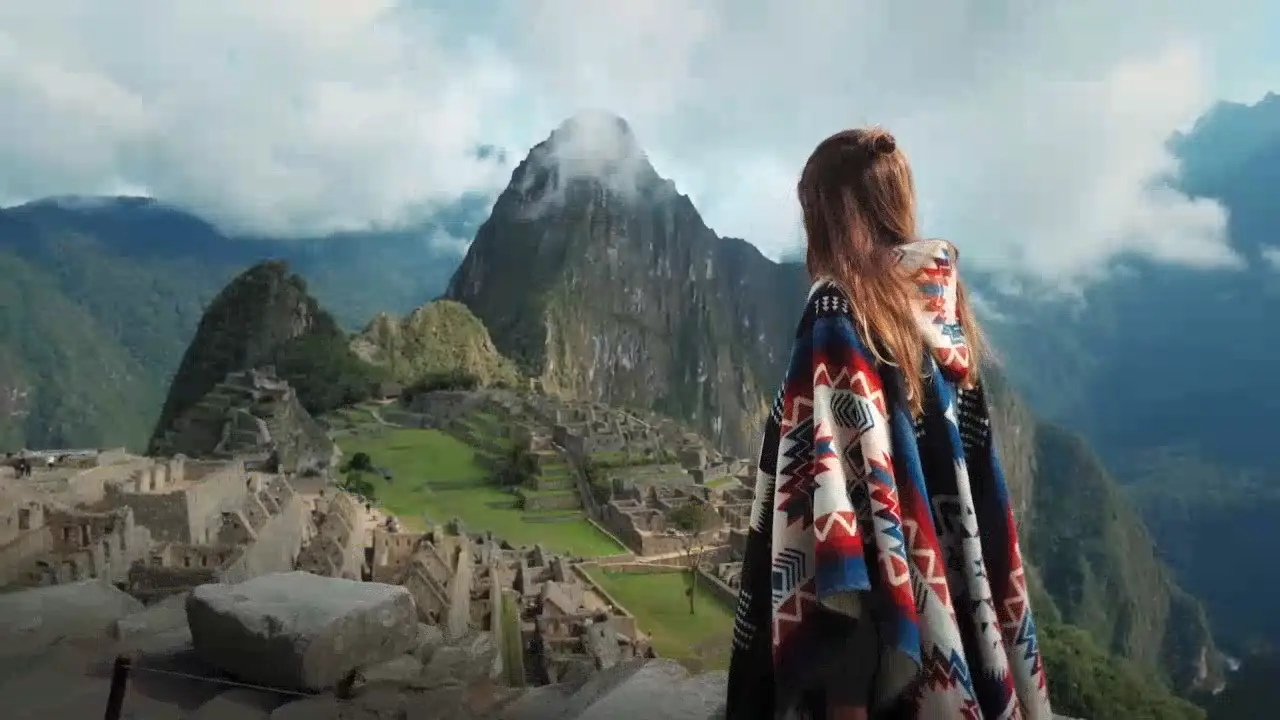
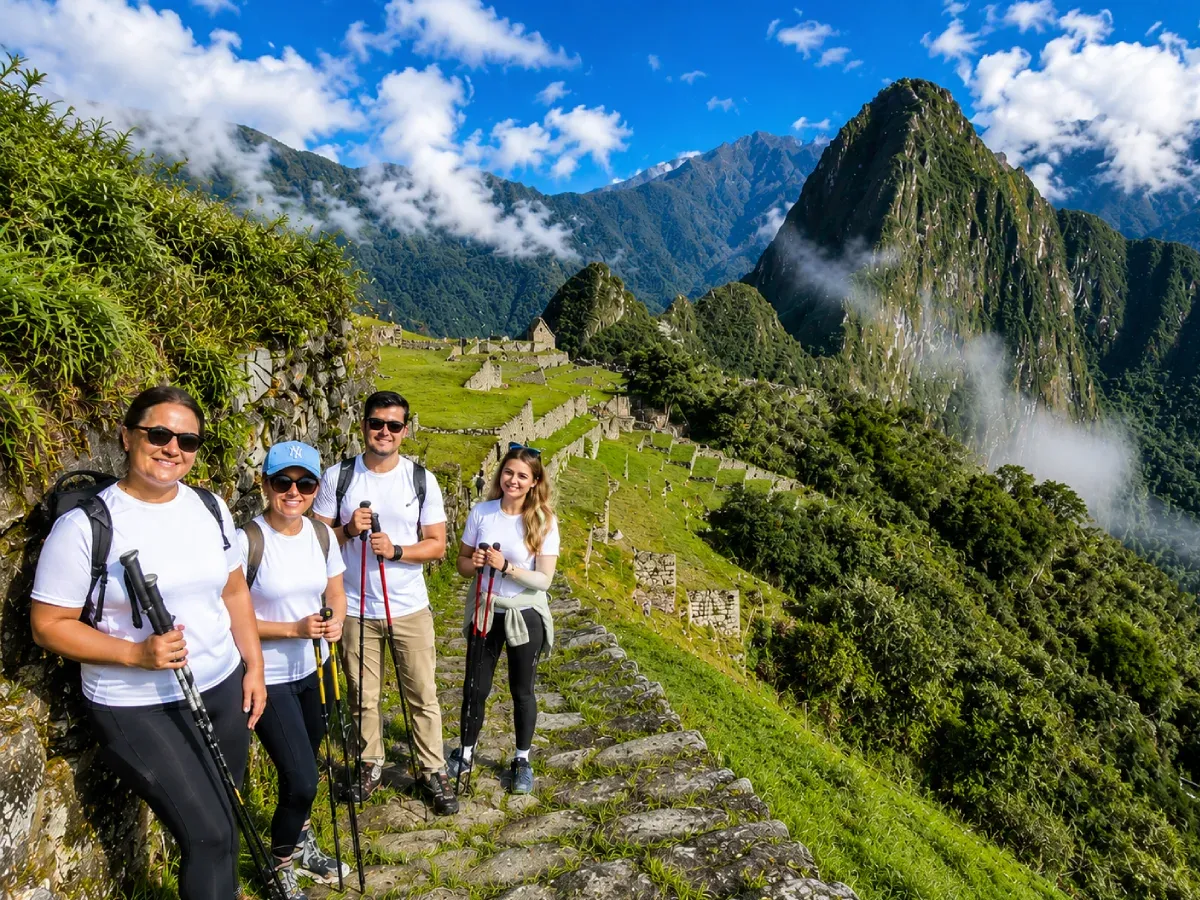
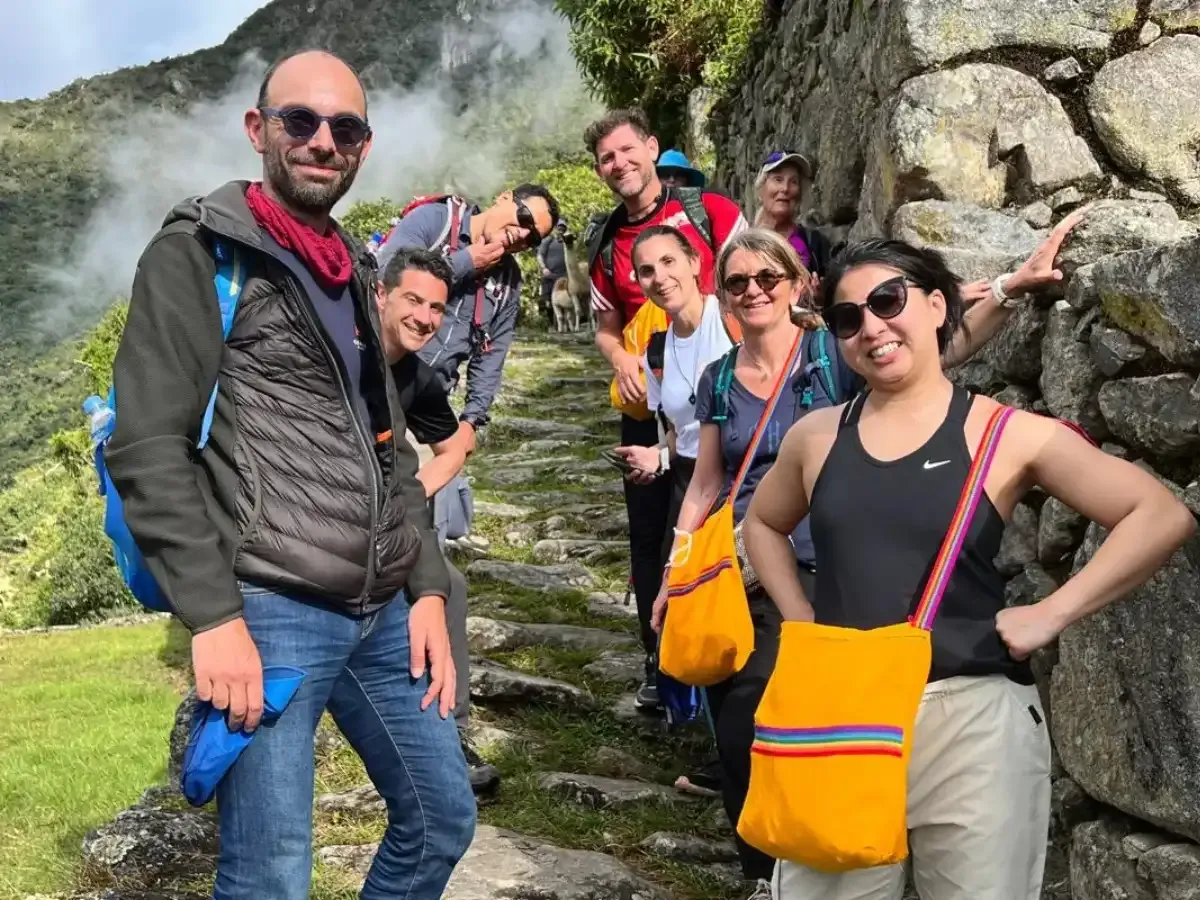
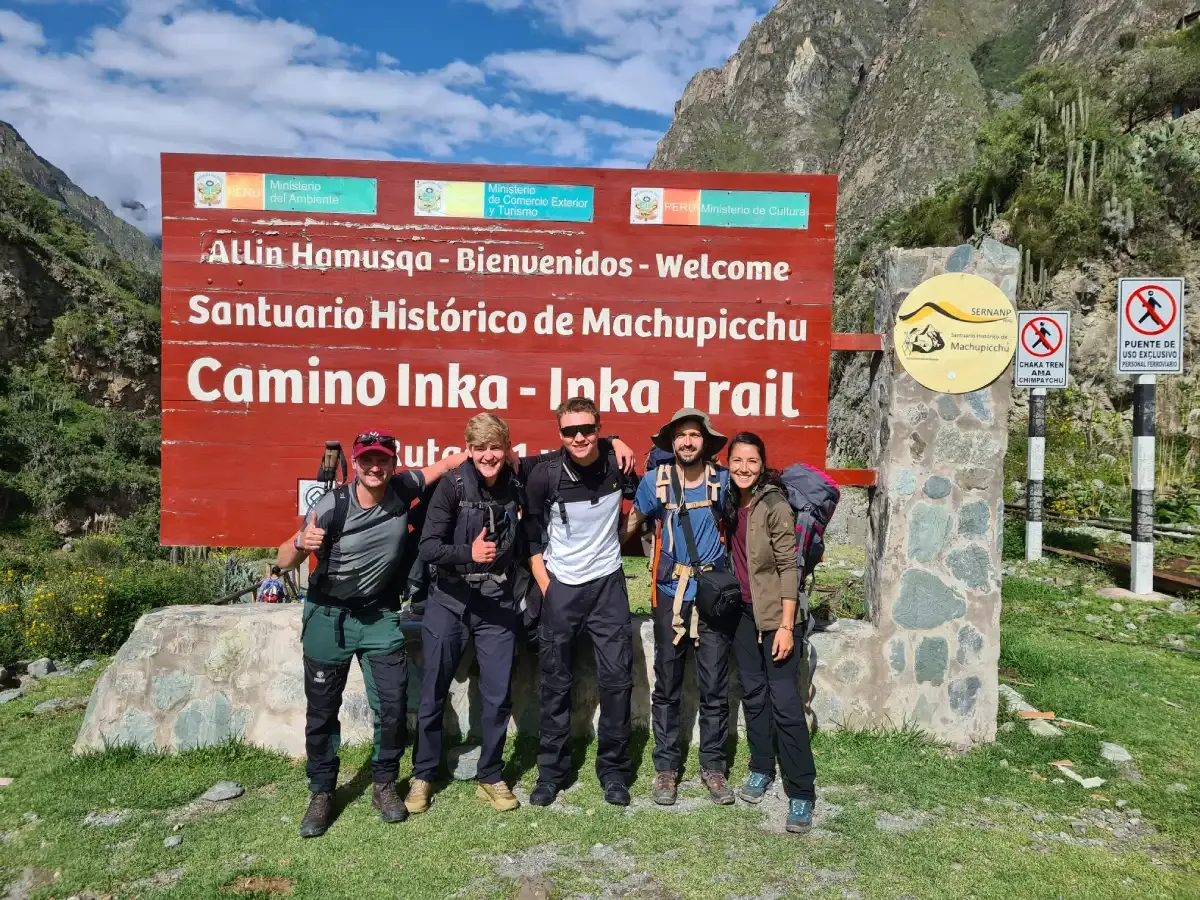
Live the magic of Machu Picchu with all-inclusive packages. Book your 2026 - 2027 adventure and discover the Inca wonder.
15Years of experience
200+Local collaborators
6,000+Adventures planned
70,000+Satisfied clients
Dreamy Tours
At DREAMY TOURS, we specialize in creating unforgettable moments through exclusive trips that range from romantic honeymoons and exciting hiking adventures to authentic cultural experiences and luxury vacations in the most fascinating destinations in Peru and Bolivia.
Our passion goes beyond conventional tourism, offering a service of excellence, with personalized attention, commitment to quality and safety, and constant innovation in destinations and services.
Excellence Service
Highest quality standards
Personalized Attention
Customized experiences
Safety & Reliability
Operational excellence
Responsible Tourism
Protecting environment
+500Happy travelers
Awards and Certifications
Top Tours & Treks Machu Picchu
Top Tours & Treks Machu Picchu offers unforgettable tours and trekking adventures to Machu Picchu, including the Inca Trail and Salkantay Trek. Explore Cusco and Peru with expert local guides, personalized service, and authentic travel experiences.
The Private 1-Day Inca Trail to Machu Picchu is a premium experience for travelers who want to hike the final section of the legendary Short Inca Trail in a single day, with a private guide, personalized attention, and carefully coordinated logistics from Cusco. The hike begins at Km 104, following an original Inca path through the archaeological site of Chachabamba and onward to Wiñay Wayna, one of the most impressive sites along the trail. From there, continue toward Inti Punku, the Sun Gate, where Machu Picchu gradually comes into view between the surrounding mountains. As a private 1-Day Inca Trail, the experience allows your group to hike at a more comfortable pace and enjoy more personal attention from your guide. The tour combines transportation from Cusco, train travel to Km 104, the Short Inca Trail hike, arrival at Machu Picchu through the Sun Gate, and a guided visit, all organized so you can focus on the journey rather than the logistics.
The 2-Day Short Inca Trail is the perfect alternative for travelers who wish to experience the magic of the Inca Trail with limited time. This fascinating adventure begins with pickup from your hotel in Cusco, followed by a transfer to Ollantaytambo and a train journey to Kilometer 104 (2,250 masl), the starting point of this extraordinary route. Along the way, you will first visit the Chachabamba archaeological complex (2,270 masl), a perfect introduction to Inca architecture. Afterwards, you will ascend to the majestic Wiñayhuayna (2,650 masl), considered one of the greatest jewels of the Inca Trail due to its impressive terraces and structures. Without a doubt, the most anticipated moment is the arrival at Inti Punku or the Sun Gate (2,780 masl), from where you will have your first panoramic view of Machu Picchu (2,400 masl). To end the day, you will take a bus down to Aguas Calientes (2,050 masl), where you can rest at your hotel and prepare for the full exploration of Machu Picchu the following day.
The 4-Day Inca Trail to Machu Picchu is the classic trekking route for travelers who want to experience Peru in its most authentic and memorable way. This journey follows ancient Inca paths through high Andean landscapes, cloud forest, archaeological sites and mountain passes before arriving at Machu Picchu through the famous Sun Gate, Inti Punku. Starting near the Sacred Valley, this guided trek is ideal for travelers from the USA, Canada, the UK and other English-speaking countries who are looking for a well-organized Inca Trail tour from Cusco with official permits, expert guidance, camping support and a meaningful arrival at one of the world’s most remarkable archaeological sites. Unlike arriving by train or bus, the Classic Inca Trail allows you to reach Machu Picchu on foot, following the same historical route used by the Incas centuries ago. It is a rewarding experience for active travelers who value history, nature, comfort in logistics and a deeper connection with the destination.
The Lares Trek with Short Inca Trail 4 Days offers an extraordinary combination of breathtaking landscapes and authentic encounters with traditional Andean cultures. This unique route blends the best of the Lares Trek and the 2-day Short Inca Trail, allowing you to experience both the cultural richness of the Lares Valley and the iconic archaeological sites of the Inca Trail. During the Short Inca Trail section, you will visit the important archaeological sites of Chachabamba and Wiñay Wayna as you make your way toward Machu Picchu. The journey culminates at the majestic Sun Gate (Inti Punku), where you will enjoy your first panoramic view of the legendary Machu Picchu citadel.
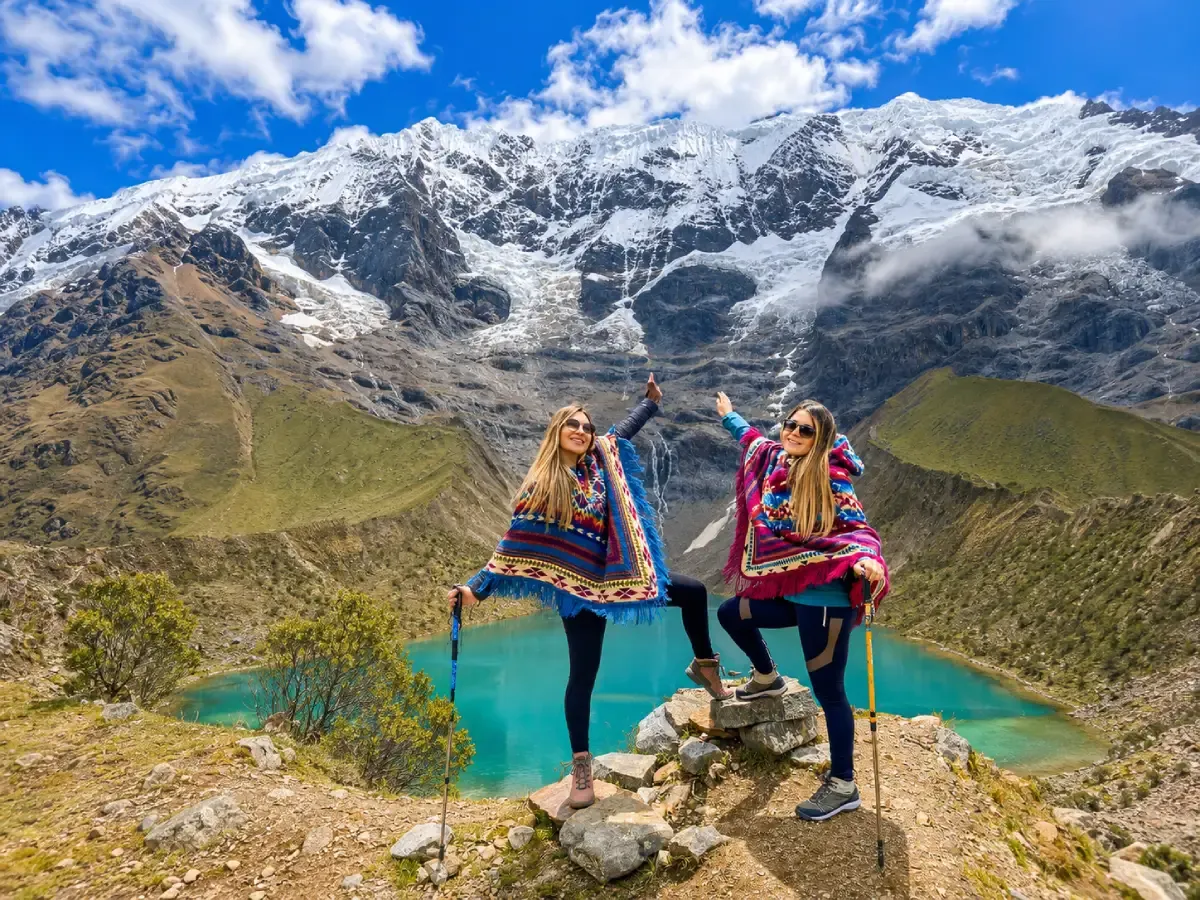
Discover the ultimate adventure on the Salkantay & Inca Trail to Machu Picchu – 6 days / 5 nights, a unique route that combines the very best of trekking in Peru: the majesty of the Salkantay Snow Mountain, the magic of Humantay Lake, and the mysticism of the classic Inca Trail. End your journey by arriving at Machu Picchu through the Sun Gate (Inti Punku) at sunrise. Reach altitudes of up to 5,200 meters above sea level and experience breathtaking landscapes that shift from high Andean plains to lush cloud forest. Includes a professional bilingual guide, top-quality camping equipment, all meals throughout the trek, and permits for the Inca Trail + Machu Picchu entrance. Difficulty level: challenging; ideal for travelers seeking adventure trekking in Peru, untouched nature, and ancient Andean culture.
Discover the best Peru travel packages with expertly guided tours to Machu Picchu, Cusco, and beyond. Enjoy unforgettable adventures, authentic cultural experiences, and personalized itineraries designed to make your journey through Peru truly exceptional.
Discover the heart of the Inca Empire on a complete tour of Cusco, the Sacred Valley, Machu Picchu, and Maras Moray. Experience a full 5-day journey in Cusco, designed for travelers seeking history, landscapes, and efficient organization. This package includes progressive acclimatization, the classic Maras Moray Salt Mines tour, the Sacred Valley of the Incas, and a guided visit to Machu Picchu. Ideal for a first time in Peru, combining culture, photography, comfort, and well-optimized schedules.
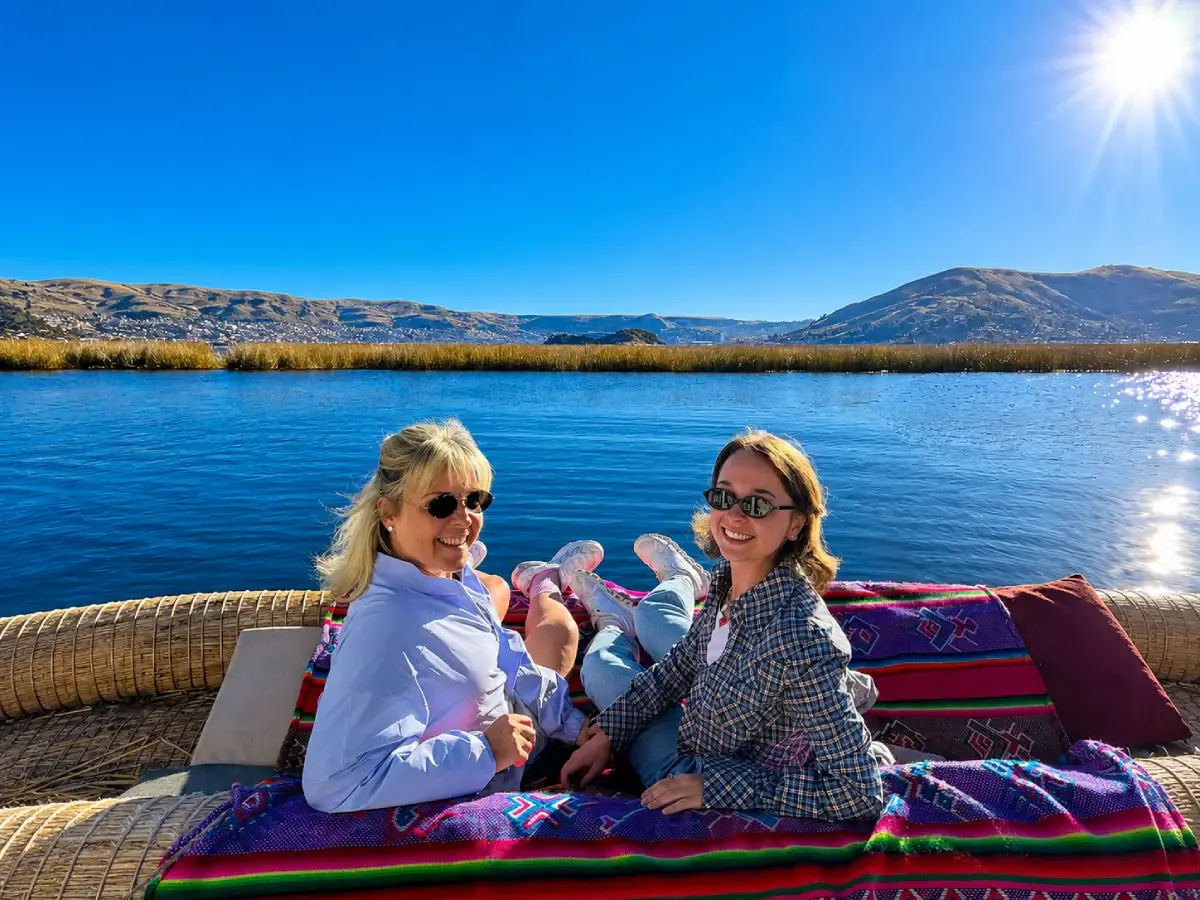
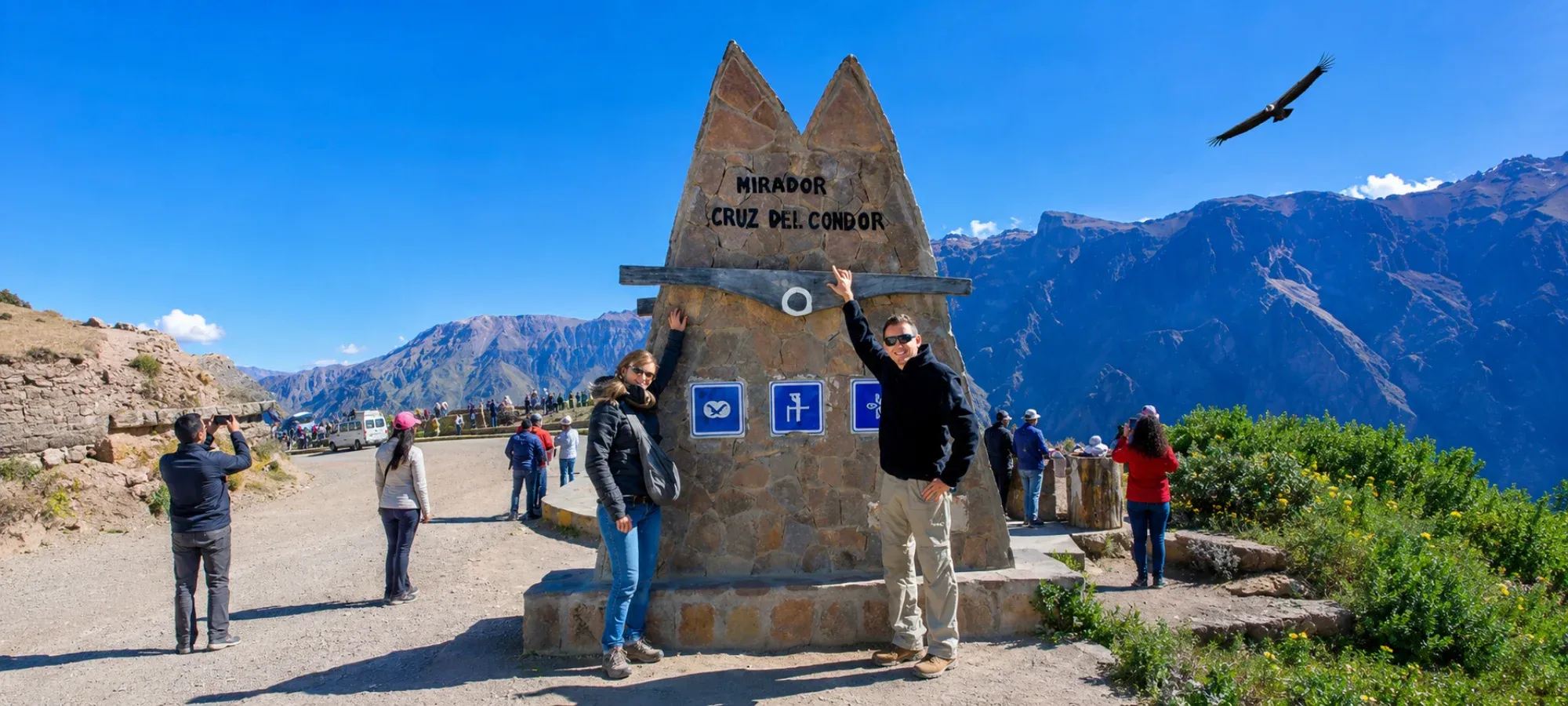
Discover the wonders of southern Peru on a complete tour circuit through Arequipa, the impressive Colca Canyon, and the mystical Lake Titicaca. Looking for a 5-day Arequipa and Puno tour that combines nature, culture, and adventure? Our travel package allows you to explore the stunning White City of Arequipa, admire the majestic flight of condors in Colca Canyon, and sail across the calm waters of the legendary Lake Titicaca while visiting its fascinating floating islands. A complete experience through southern Peru that will leave you with unforgettable memories.
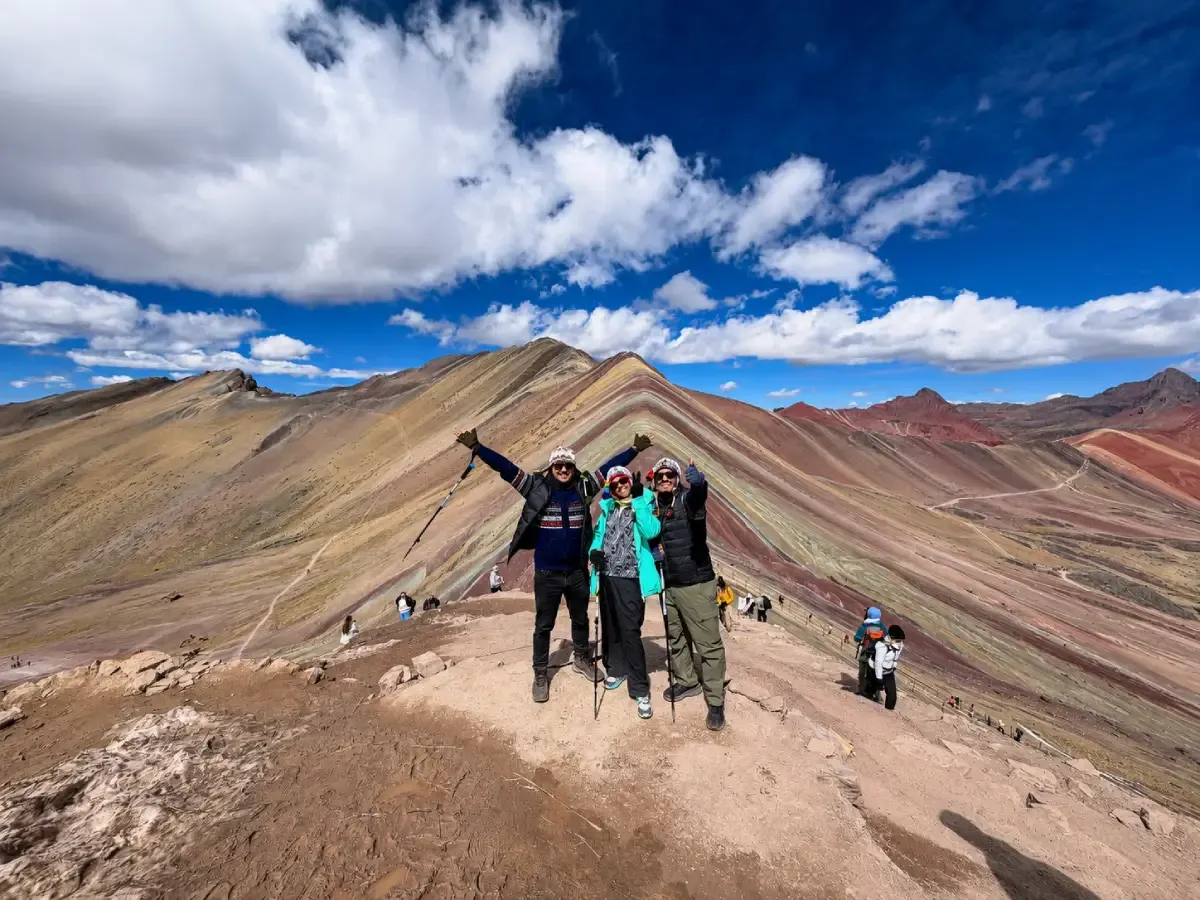
If you are looking for an adventure, this is the perfect tour for you! In six days, you will visit a wide variety of natural, cultural, and archaeological sites in the city of Cusco. You will enjoy some of the most incredible tourist attractions, such as Qorikancha, Sacsayhuamán, Puka Pukara, and Qenqo. You will also explore the Sacred Valley of the Incas, including the archaeological centers of Pisac and Ollantaytambo, followed by a visit to the majestic Citadel of Machu Picchu and the stunning Humantay Lake. To conclude this unforgettable journey, you will discover one of the world’s most captivating mountains: the famous Rainbow Mountain.
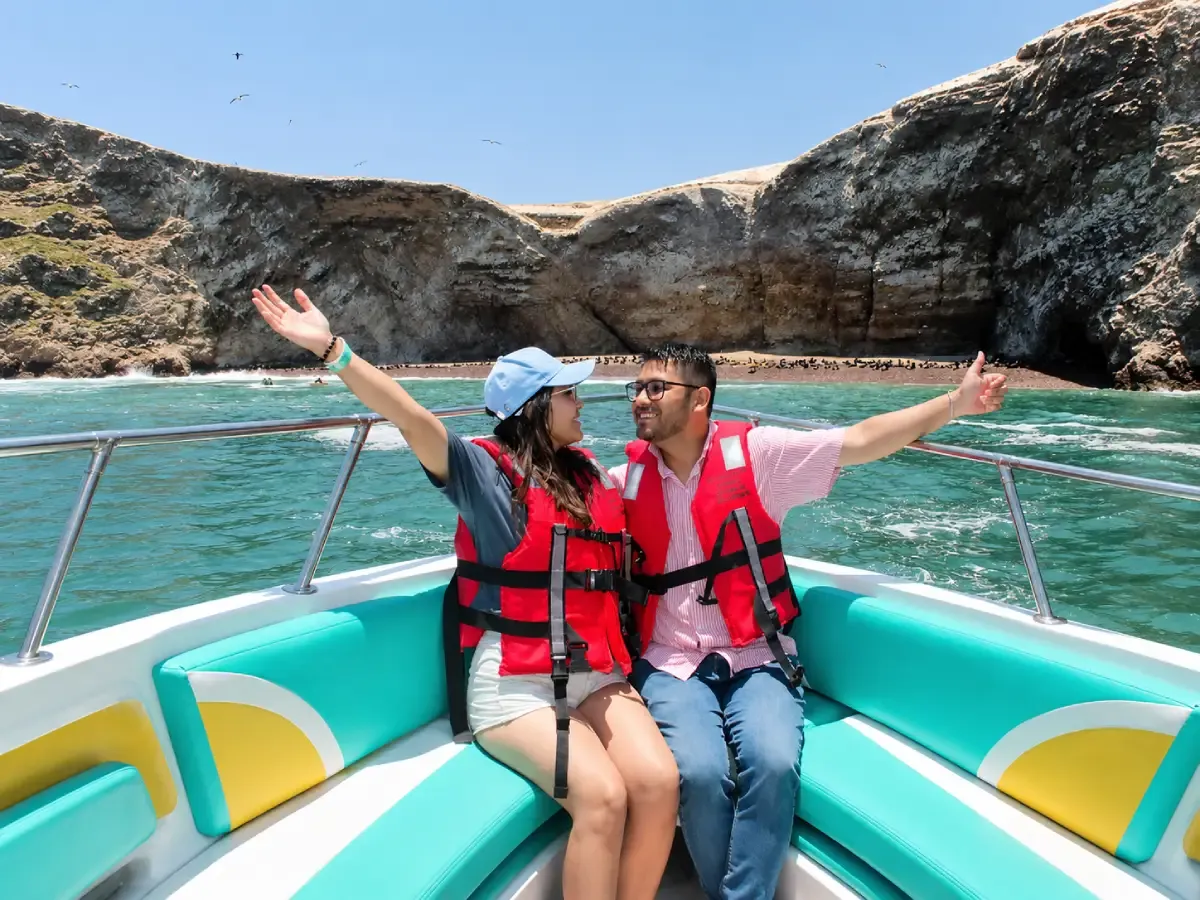
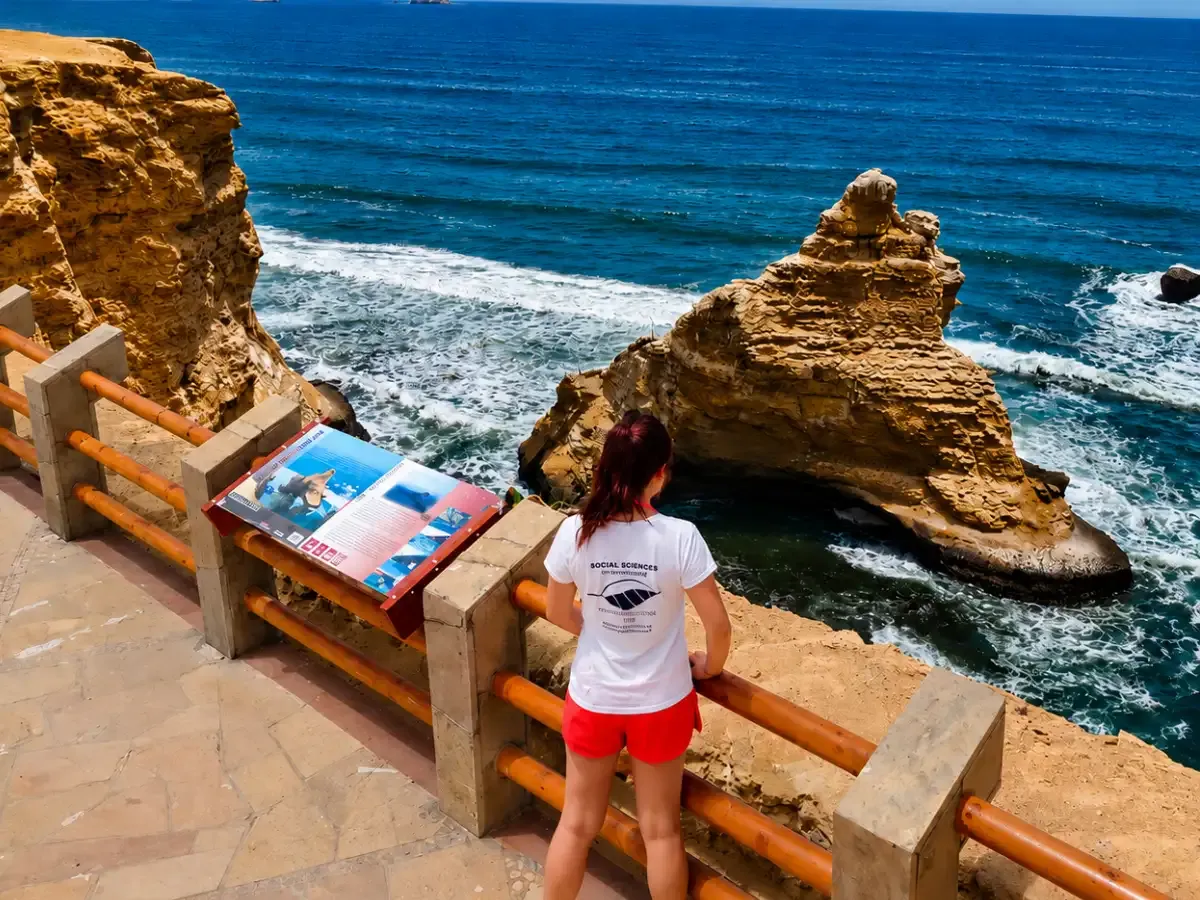
Experience a unique adventure in Peru with our 7-day Lima, Cusco, Machu Picchu tour. This Peru travel package includes must-see destinations: colonial Lima, the Ballestas Islands in Paracas, the Huacachina Oasis in Ica, the Sacred Valley in Cusco, and the legendary Inca citadel of Machu Picchu. Our 7-day Peru tour combines adventure, culture, and history in an unforgettable journey that includes a Ballestas Islands excursion with marine wildlife viewing, sandboarding in Huacachina and desert buggy rides, a Sacred Valley tour with archaeological sites, a guided visit to Machu Picchu with included tourist train, trekking to Rainbow Mountain (Vinicunca), and city tours in both Lima and Cusco with a specialized guide.
The Cusco & Machu Picchu Experience, 7 days long, is a perfect balance of diverse experiences during your visit to Cusco and Machu Picchu, allowing you to enjoy an unforgettable adventure in the main destinations such as the city of Cusco, through the City Tour and South Valley. Then, you will explore the Sacred Valley of the Incas, reaching the most anticipated destination, the Machu Picchu citadel. The journey continues with visits to the Maras salt mines and the Moray terraces, and finally the Rainbow Mountain, or Vinicunca. This experience is designed for all people who are in good physical and health condition as required. It can be done individually to meet new people, as a couple or with friends to share emotions, and also with family to enjoy an unforgettable adventure.
Discover the magic of southern Peru on our 8-day Arequipa, Puno, Cusco & Machu Picchu tour. This complete travel package takes you through Peru’s most spectacular destinations, from the White City of Arequipa to the Inca citadel of Machu Picchu, passing through the majestic Lake Titicaca and the breathtaking Colca Canyon. Included Experiences Experience the Colca Canyon with condor watching, the floating islands of the Uros and Taquile Island on Lake Titicaca, a Cusco city tour and nearby Inca archaeological sites, the Machu Picchu train excursion from Ollantaytambo, and the Santa Catalina Monastery in Arequipa.
Dreamy Tours offers luxury tours and travel packages to the heart of the Amazon, featuring a 9-day journey through Lima, Cusco, Puerto Maldonado, the Sacred Valley, Machu Picchu, and much more. Choose from a wide variety of destinations and select from different lodges, accommodations, and tours tailored to your travel style. ! Plan Your Trip!
Discover the best of Peru in 10 days. Begin your adventure exploring Lima, a vibrant gastronomic capital and the City of Kings, where colonial history blends with modern coastal districts facing the Pacific Ocean. Continue to the enigmatic South Coast to marvel at the rich marine wildlife of the Ballestas Islands while enjoying an exciting sandboarding experience across the golden dunes surrounding the magical Huacachina Oasis. Then discover Arequipa, the stunning White City built from volcanic sillar stone and home to the fascinating Santa Catalina Monastery, which remained cloistered for over four centuries. Journey into the majestic Colca Canyon, one of the deepest in the world, and admire the impressive flight of the Andean condor over breathtaking mountain landscapes. Arriving in Cusco, the ancient capital of the Inca Empire, you will be amazed by the perfect Inca–Spanish architectural fusion while visiting impressive surrounding archaeological sites. Exploring the mystical Sacred Valley, you will discover important Inca ceremonial centers, colorful traditional markets, and remarkable ancient agricultural terraces. Finally, complete this unforgettable Peruvian experience at the legendary citadel of Machu Picchu, a world-renowned archaeological jewel and symbol of the ingenuity and power of the Inca civilization.
Welcome to Peru’s most complete tour, an extraordinary journey that combines archaeology, nature, and living traditions in one premium travel package. Our 10-day itinerary takes you from the Pacific coast in Lima to the mystical heights of the Peruvian Andes, unveiling the best-kept secrets of the legendary Inca Empire and the natural wonders that have made Peru one of Latin America’s most fascinating destinations. This Lima–Puno–Cusco tour is designed for travelers seeking an authentic and immersive experience, combining must-see attractions such as Machu Picchu and Lake Titicaca with exclusive cultural activities and breathtaking landscapes only local experts can reveal.
Welcome to an unparalleled adventure through the heart of Peru, where we will take you on a magical journey through the history, culture, and breathtaking nature of this Andean country. This 10-day trip will allow you to explore its three most iconic destinations: Lima, the captivating cosmopolitan capital, Cusco, the ancient center of the Inca Empire, and the city of Puno. We will begin in Lima, where you will discover its colonial influences, impressive museums, and exquisite cuisine on a fascinating tour. Then we will take you to where it all began: mystical Cusco, the cradle of the Inca Empire. Here you will find stunning archaeological sites, charming traditional villages, and spectacular snow-capped mountain landscapes. The adventure culminates with a once-in-a-lifetime experience: visiting the wonder of Machu Picchu. This incredible Inca citadel carved into the rock, surrounded by towering Andean peaks, will take your breath away. Walking among its agricultural terraces and ancient temples will be a truly sublime moment. But this journey is not only a tour of fascinating archaeological sites; it is also an immersion into authentic Andean life. You will interact with local communities, taste unique culinary delights, and admire the natural wonders of valleys and high mountain ranges.
Peru is not just a country — it's a world waiting to be discovered. Each region is a unique universe of landscapes, cultures, cuisine and traditions beyond imagination.
Peru is not just a country — it's a world waiting to be discovered. Each region is a unique universe of landscapes, cultures, cuisine and traditions beyond imagination.
Step into a territory where geography shifts every hundred kilometers, from towering glaciers to lush rainforests.
Explore Bolivia, the heart of South America!
Bolivia is the hidden jewel of South America, a destination that challenges the imagination and awakens the spirit of the true traveler. A territory where geography is transformed into poetry, where each landscape tells a millenary story and where cultural diversity is the most precious treasure.
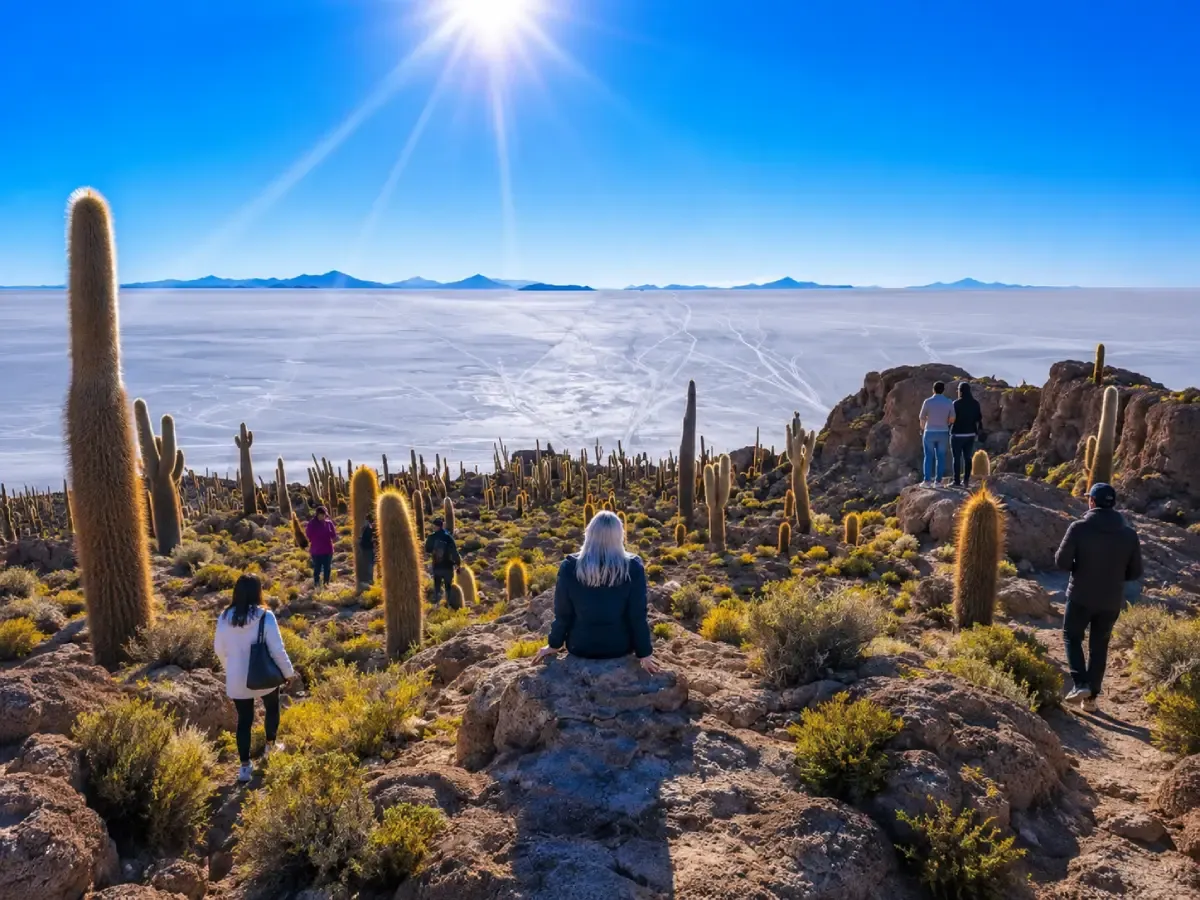
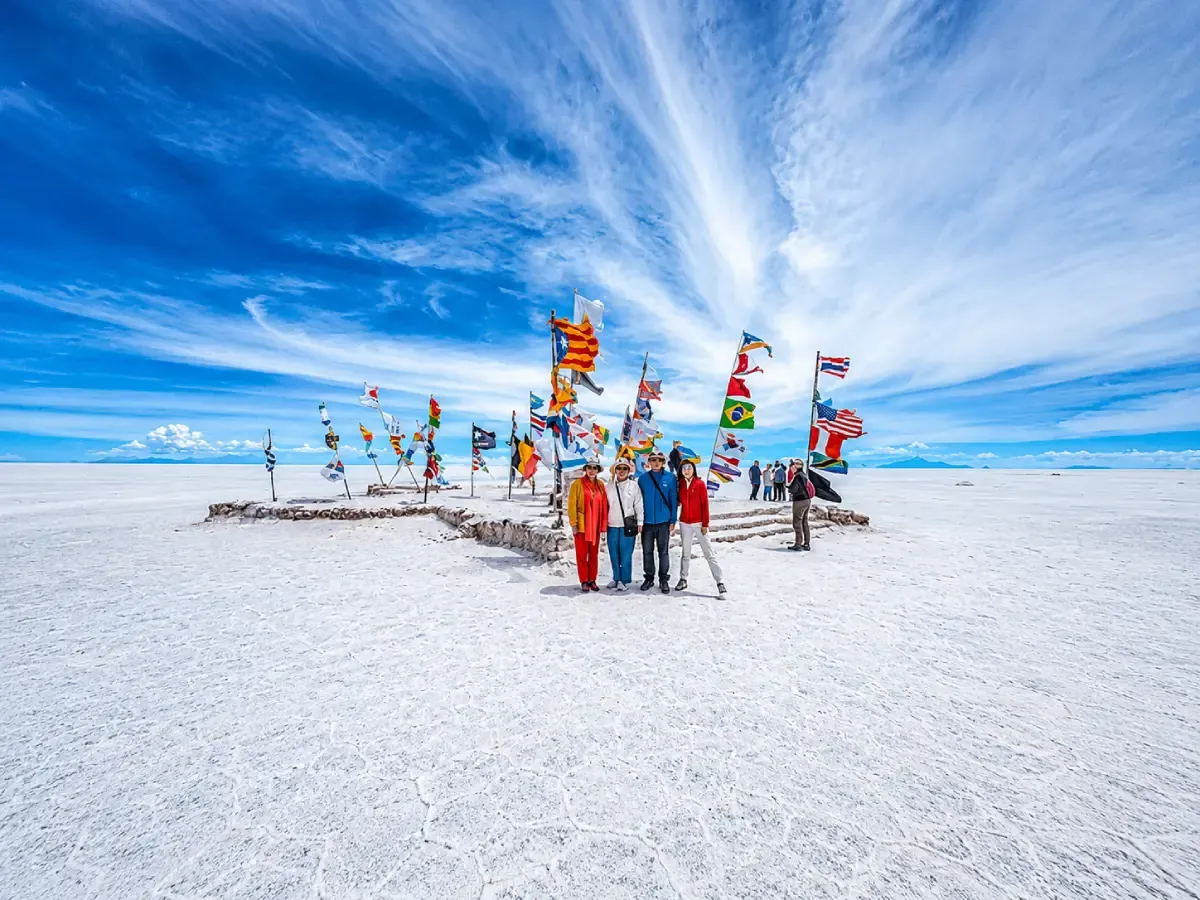
The Uyuni Salt Flats, a salt flat located in the Bolivian Altiplano, is one of the 25 Natural Wonders of the World. It covers 10,500 km² within the Andes mountain range. The Uyuni Salt Flats is the largest salt flat in the world. It also contains between 50% and 70% of the world’s lithium reserves, as well as significant amounts of potassium, boron, and magnesium. The magic of the Uyuni Salt Flats, undoubtedly one of the most famous attractions in the country and in the world, gives us free access to explore its stunning natural landscapes.
Discover the diverse and enigmatic aspects of La Paz, from its bustling streets to its modern cable car system, without missing a single detail. The influence of indigenous culture can be felt throughout the city. The stunning beauty of La Paz can be admired from remarkable viewpoints such as Killi Killi, as well as from unique places like Moon Valley, known for its unusual geological formations. Don’t miss Plaza Murillo, a historic landmark, and the Witches’ Market, a mystical marketplace.
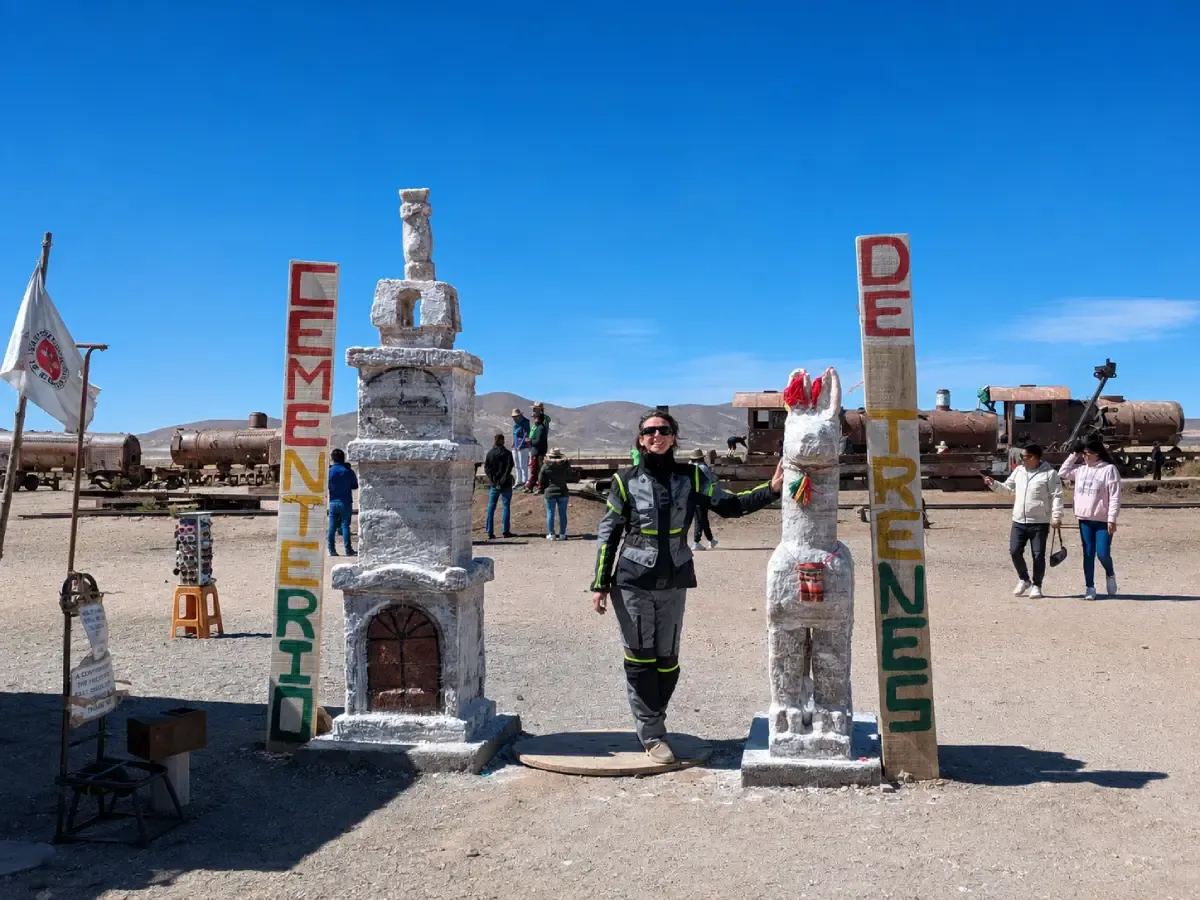
The Uyuni Salt Flats excursion is the ideal way to explore the most impressive scenery in Bolivia. On the first day, we will visit the Train Cemetery and the Uyuni Salt Flats, and you will spend the night in a salt hotel. The next morning, we will ascend Tunupa Volcano to visit the Cave of the Mummies, where mummified remains dating back to pre-Inca times are found, at an altitude of 4,200 m.a.s.l. We will also visit some Andean villages. Come and explore this incredible landscape with us!
On the 3-Day Uyuni Salt Flats & 3 Colored Lagoons Tour in the Eduardo Avaroa Andean Fauna National Reserve, you will witness sunrises that appear white like snow and sunsets over pink, green, and white lagoons, as well as deserts and volcanoes. As you move forward, the landscape changes every few kilometers. You will step onto an immense expanse of white salt flats with nothing else around you and witness a horizon that seems endless, where the sky and the earth reflect one another, giving you the sensation of walking on the clouds. Enjoy the serenity, peace, and solitude, and become one with nature.
On this excursion, you will discover the different stages of Bolivia’s past, from the Mesozoic Era with the appearance of dinosaurs and giant mammals to the Colonial period. Tarija is located in a beautiful and wide valley with a pleasant climate, abundant fruit, and delicious food all year round. Tarija is known as “The City of Flowers,” an ideal destination for visitors looking to enjoy lush green landscapes, historical and cultural sites, and especially to taste delicious wines and singanis.
Bolivia is a country with great tourist diversity, due to its cultural diversity, its geographical regions, and its varied cuisine. Copacabana was one of the first tourist destinations in Bolivia. It is a city on the border with Peru and is visited by many people from around the world to navigate the highest navigable lake in the world, as well as some of the islands within it, among which we can highlight the Sun Island, the largest island in Lake Titicaca, located on the Bolivian side. It is related to the Sun God cults because, according to legend, Inti—the Sun God—created his son Manco Cápac and his daughter Mama Ocllo there, the first Incas who founded the city of Cusco. Enjoy your holidays in Bolivia today!
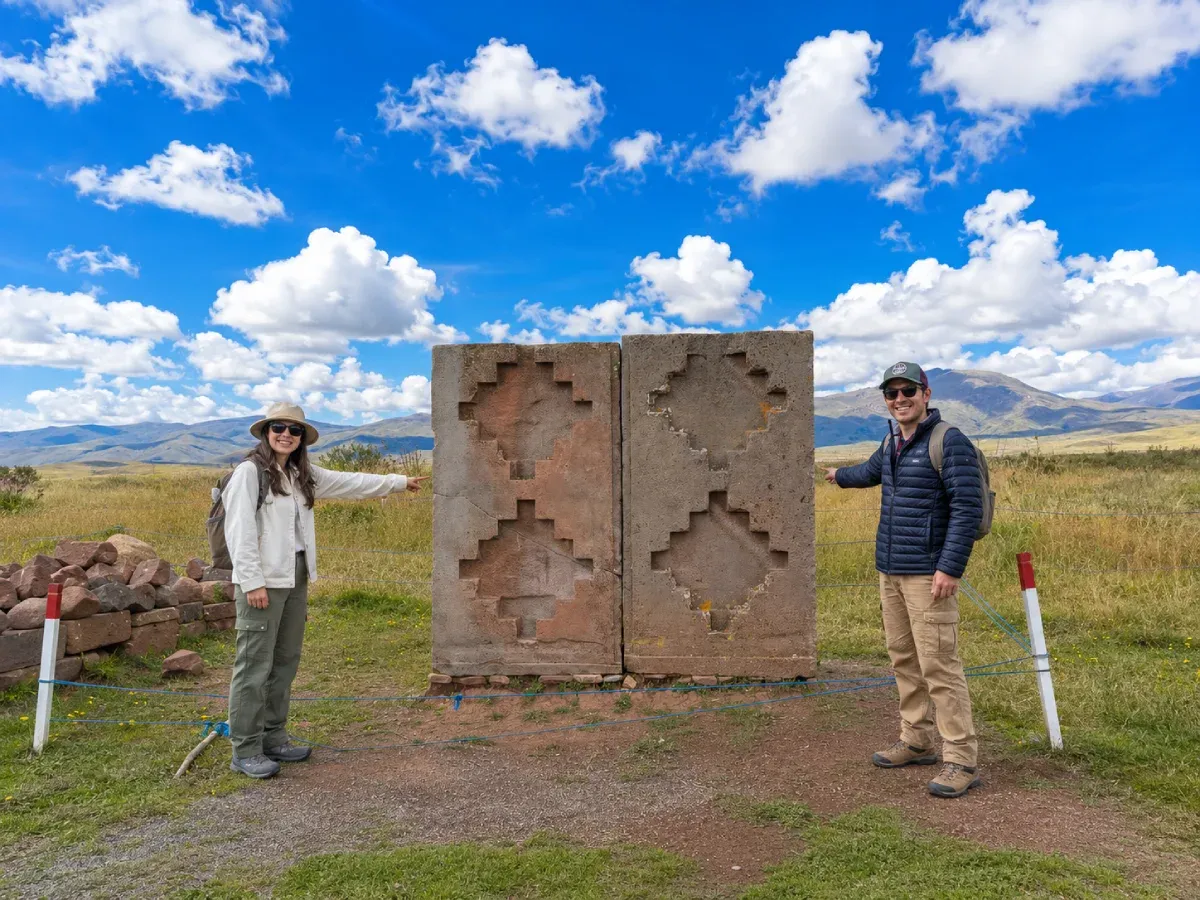
Peru and Bolivia are two countries united by their traditions and very similar cultural expressions. We design your trips by combining the main tourist destinations of Peru and Bolivia into a single adventure. From beginning to end, you will enjoy a high-quality, personalized service. The icon of Peru is our lost Inca citadel Machu Picchu, considered one of the seven wonders of the modern world. The city of Cusco is beautiful in its colonial artistic expression, and our Sacred Valley of the Incas stands out for showing a mix of pre-Inca, Inca, and colonial constructions throughout history. In Bolivia, you will find the Uyuni Salt Flats, which will surprise you with an endless white salt desert of incomparable beauty.
For visitors who want to discover Bolivia in all its magnitude and explore the high Andean lands, Bolivia is a fascinating destination that offers incredible diversity in cultural and traditional tourism. We have designed your excursions by combining the main destinations of Bolivia into a single travel program. From start to finish, you will enjoy a personalized service.
Discover top destinations across Peru, including Machu Picchu, Cusco, Lima and more. Find travel guides, tips and tour deals to plan your perfect trip.
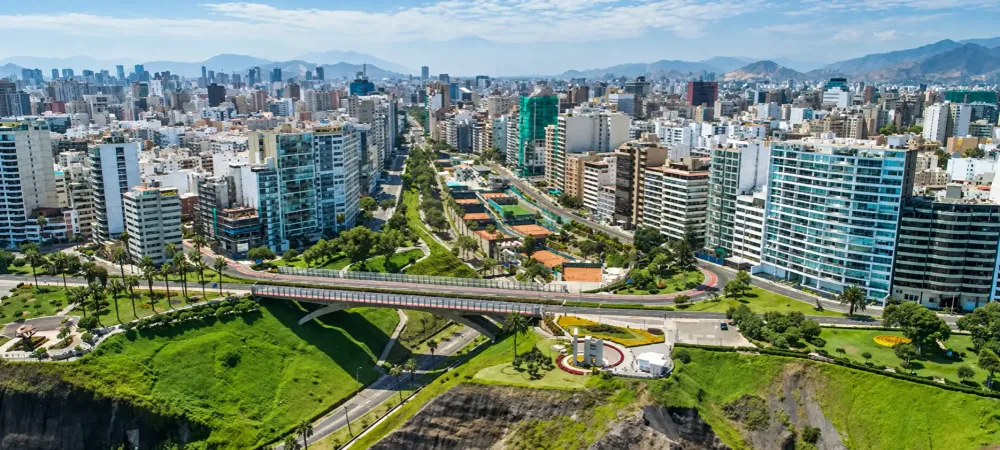
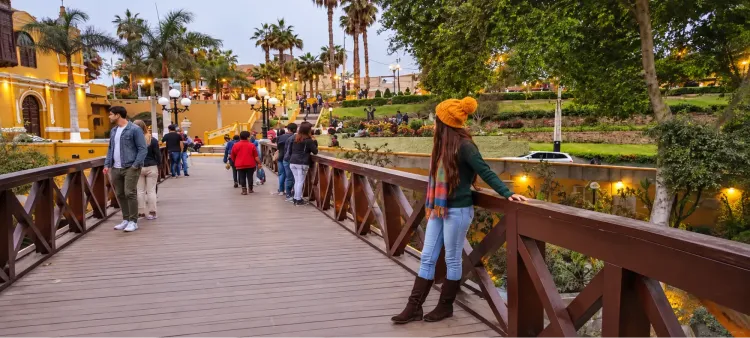
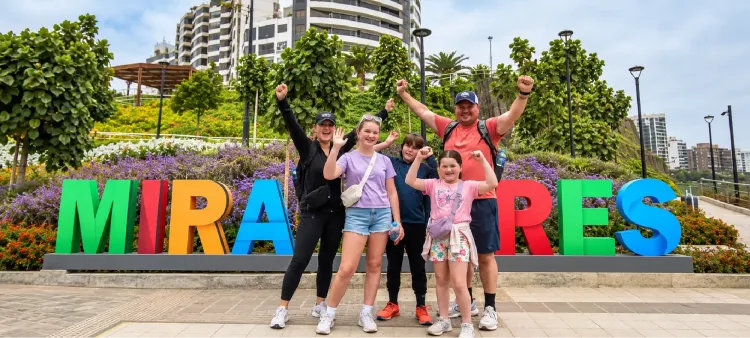
Choosing where to stay in Lima is one of the most important decisions when planning a trip to Peru's capital. The city offers different tourist districts, from modern oceanfront neighborhoods overlooking the Pacific Ocean to historic areas filled with colonial monuments, traditional restaurants, and cultural attractions. Your hotel's location can significantly affect travel times and the activities you can enjoy during your stay. If you're wondering where to stay in Lima, Peru, you'll find options for different budgets and travel styles. Miraflores is often one of the most practical choices for first-time visitors, while Barranco stands out for its artistic atmosphere, San Isidro for its hotels and residential areas, and the Historic Center for its proximity to colonial landmarks. This guide compares Lima's main neighborhoods to help you choose the area that best suits your itinerary. What Is the Best Area to Stay in Lima? For most travelers visiting Lima for the first time, Miraflores is one of the most convenient options. Its selection of hotels, restaurants, shops, and tourist services makes it easier to organize transportation and enjoy different activities during the day and evening. The district also features parks, oceanfront promenades, and attractions overlooking the Pacific Ocean. However, the best neighborhood depends on your interests. Barranco may be more appealing if you're looking for art galleries and a bohemian atmosphere, while San Isidro is an interesting choice for travelers who prefer a quieter stay in a residential and commercial setting. If your priority is exploring colonial monuments, the Historic Center allows you to stay close to some of the city's most important heritage attractions. Before booking, we recommend checking the accommodation's exact location and considering the activities you want to enjoy. Our guide to what to do in Lima, Peru will help you identify attractions that can be combined with your accommodation and organize your sightseeing more efficiently. Miraflores: Where to Stay in Lima for First-Time Visitors Miraflores is one of Lima's best-known tourist districts and one of the most recommended areas for a first visit. It offers hotels across different categories, restaurants, cafés, shops, and tourist services, along with public spaces where visitors can enjoy the city without traveling too far from their accommodation. Its main attractions include Kennedy Park, Love Park, the Miraflores oceanfront promenade, Larcomar, and Huaca Pucllana. This concentration of tourist attractions is convenient for travelers who want to explore part of the capital on foot while combining cultural experiences with local cuisine and coastal scenery. If you'd like to explore the district's activities in greater detail, read our guide to things to do in Miraflores, Lima. It includes recommendations for visiting its parks, archaeological sites, and oceanfront attractions. Which Part of Miraflores Is Best for Booking a Hotel? The area around Kennedy Park is a practical option for travelers who want to stay close to restaurants, shops, cafés, and tourist services. From the surrounding streets, you can walk along Larco Avenue toward the coastline. Since this is a busy commercial area, we recommend checking your hotel's soundproofing if you prefer a quiet place to sleep. The neighborhoods near the oceanfront promenade and Larcomar are appealing to travelers who want easy access to parks overlooking the Pacific Ocean. Some hotels offer coastal views, although prices and locations can vary considerably. It's also important to confirm whether your room has a direct ocean view, as not every property near the coastline offers this feature. Other residential streets in Miraflores may provide a quieter atmosphere without being too far from the district's main attractions. We recommend comparing accommodation options based on their distance from restaurants, transportation, and the places you plan to visit rather than choosing a hotel solely because it's located in Miraflores. Barranco: Accommodation Surrounded by Art and Bohemian Culture Barranco is a good option for travelers interested in art, traditional architecture, and cultural attractions. Its streets preserve historic Republican-era mansions, murals, galleries, and small dining establishments that create an atmosphere different from Lima's more commercial neighborhoods. Its main attractions include the Bridge of Sighs, Bajada de Baños, Barranco's Main Square, and the Pedro de Osma Museum. Staying near the historic district makes it possible to explore much of the neighborhood on foot, although some streets have slopes and traveling to other districts may require transportation. Barranco also offers boutique hotels, hostels, and accommodations that make use of the neighborhood's traditional architecture. If you prefer going to bed early, it's worth checking whether your hotel is near bars, restaurants, or live music venues. To learn more about this district, you can complement your travel planning with our guide to things to do in Barranco, Lima. San Isidro: Hotels and Residential Areas in Lima San Isidro is one of Lima's best-known districts for business activities, residential neighborhoods, hotels, and restaurants. It's an interesting option for business travelers, couples, and visitors looking for tourist services in an environment generally less focused on nightlife than certain areas of Miraflores or Barranco. One of its most representative attractions is El Olivar Forest, a historic park where visitors can walk and enjoy an atmosphere different from the district's commercial avenues. San Isidro also offers restaurants and establishments serving a variety of Peruvian and international cuisine. It's important to remember that different parts of San Isidro have different characteristics. Areas near major avenues may offer better transportation access, while some residential streets are farther from tourist attractions. If you'd like to combine your stay with an organized excursion, our Lima City Tour provides an opportunity to discover historic and modern areas of the capital during a guided sightseeing experience. Historic Center of Lima: Staying Close to Colonial Landmarks Lima's Historic Center is an alternative for travelers who want to prioritize history, architecture, and colonial monuments. Staying near Plaza Mayor or other parts of the historic district can provide convenient access to attractions such as Lima Cathedral, the Government Palace, Plaza San Martín, and the San Francisco Monumental Complex. This area allows visitors to enjoy different cultural walking routes during the day. However, the accommodation experience can vary considerably from one street to another, particularly in terms of traffic, noise, and access to tourist services. For this reason, we recommend researching the hotel's exact location and surrounding conditions before making a reservation. If your main interest is exploring colonial heritage, our guide to the Historic Center of Lima introduces the most representative monuments and a suggested walking route. You can also join our Lima City Tour to discover the capital's main historical attractions with a tour guide. Where to Stay in Lima Near Jorge Chávez Airport If you have a short flight connection, a very early departure, or a late-night arrival, staying near Jorge Chávez International Airport may be a convenient choice. This option can reduce transportation time before or after your flight, especially when you only have a few hours between connections. The airport area is located in Callao, outside Lima's main tourist neighborhoods. Although there are hotels and accommodations nearby, it's important to check the actual distance to the operating terminal and whether the property offers airport transfers. Being close on a map doesn't always mean the journey will be quick, due to road access and traffic conditions. For a sightseeing visit lasting several days, Miraflores, Barranco, or San Isidro are generally more convenient than staying near the airport. However, if you simply need to rest before continuing to Cusco or another destination, an airport-area hotel may be a practical decision. Is It Safe to Stay in Miraflores, Barranco or San Isidro? Miraflores, Barranco, and San Isidro have areas frequently visited by tourists and a substantial selection of accommodations, but no entire district should be considered completely risk-free. Safety conditions vary depending on the street, time of day, and transportation routes, as they do in any large city. Before booking, we recommend reading recent reviews, confirming the property's location, and checking the reception and transportation services available. It's also useful to consider access to the hotel, especially if you plan to return after dinner or nighttime activities. During your stay, use established transportation services, keep your personal belongings secure, and avoid walking along unfamiliar routes at night without checking local conditions first. If you're planning an evening activity, you can consider our Magic Water Circuit Tour in Lima, which includes tourist transportation according to the conditions outlined in the tour program. How Much Does Accommodation in Lima Cost by Neighborhood? Hotel prices in Lima depend on the property's category, location, season, how far in advance you book, and the services included. In Miraflores and San Isidro, you'll find a wide selection of mid-range and upscale hotels, as well as some budget-friendly alternatives. Barranco offers hostels, boutique hotels, and other types of accommodation, while the Historic Center may have more affordable options depending on the location and the property's conditions. However, it's important not to assume that one district will always be cheaper than another, as prices can change according to demand and travel dates. When comparing accommodations, check the final amount including applicable taxes and fees, cancellation policies, breakfast, and transportation services. Also consider that a low-cost hotel located far from your planned activities could result in higher transportation expenses during your stay. Where to Stay in Lima for Couples, Families or Business Travel If you're traveling as a couple and want to enjoy restaurants, scenic walks, and ocean views, Miraflores can be a good choice. Barranco is also appealing for travelers who prefer accommodation surrounded by art, galleries, and dining options, especially if they want to explore the neighborhood's streets at a leisurely pace. For families, we recommend prioritizing accommodations with suitable rooms, reception services, transportation options, and a convenient location for planned activities. Miraflores offers a variety of properties near parks and restaurants, while some parts of San Isidro may appeal to travelers looking for a residential setting. Business travelers may prefer San Isidro because of its concentration of offices and hotels. If your trip combines meetings with sightseeing, Miraflores is also worth considering, provided you account for travel times to your appointments. Your choice should reflect your actual travel plans rather than a neighborhood's popularity alone. Where to Stay in Lima for One, Two or Three Days If you're spending only one night in Lima and want to visit a few attractions, Miraflores can be a convenient base thanks to its hotels, restaurants, and walkable public spaces. However, if your priority is catching a connecting flight, staying near the airport may be more practical. For a two-day stay, we recommend choosing one accommodation area and organizing visits by district. You can spend one day in the Historic Center and another exploring Miraflores and Barranco, avoiding the need to change hotels between neighborhoods. Our Lima in 2 Days itinerary provides a suggested schedule for organizing these activities. If your time is limited, you can also consult our guide to Lima in One Day. For stays of three days or longer, you can expand your itinerary with cultural, culinary, and nighttime experiences. One option is our Lima Culinary Tour, which introduces local ingredients and offers a hands-on Peruvian cooking experience. Tips for Choosing a Hotel and Making the Most of Your Stay in Lima Before booking a hotel in Lima, we recommend deciding which attractions you want to visit and choosing accommodation that reduces your most frequent travel times. It's also important to confirm the property's exact location, read recent reviews, and verify which services are included, particularly breakfast, transportation, and cancellation conditions. The climate may also influence your decision. During summer, between December and March, Lima generally experiences warmer and sunnier days, while autumn and winter often bring cloudy skies and humid conditions. If you're interested in enjoying ocean views, remember that cloud cover may limit visibility during certain months. Staying in a well-connected area makes it easier to explore tourist attractions in Lima and enjoy the city's gastronomy. If you'd like to discover traditional flavors, our guide to traditional food in Lima introduces representative dishes and recommendations for planning your meals during the trip. At Dreamy Tours, we recommend choosing accommodation according to your available time, budget, and preferred travel experiences. Miraflores is a practical base for many visitors, Barranco stands out for its cultural atmosphere, San Isidro for its services and residential neighborhoods, and the Historic Center for its heritage attractions. Once you've selected your hotel, explore our tours in Lima and organize activities that suit your stay.
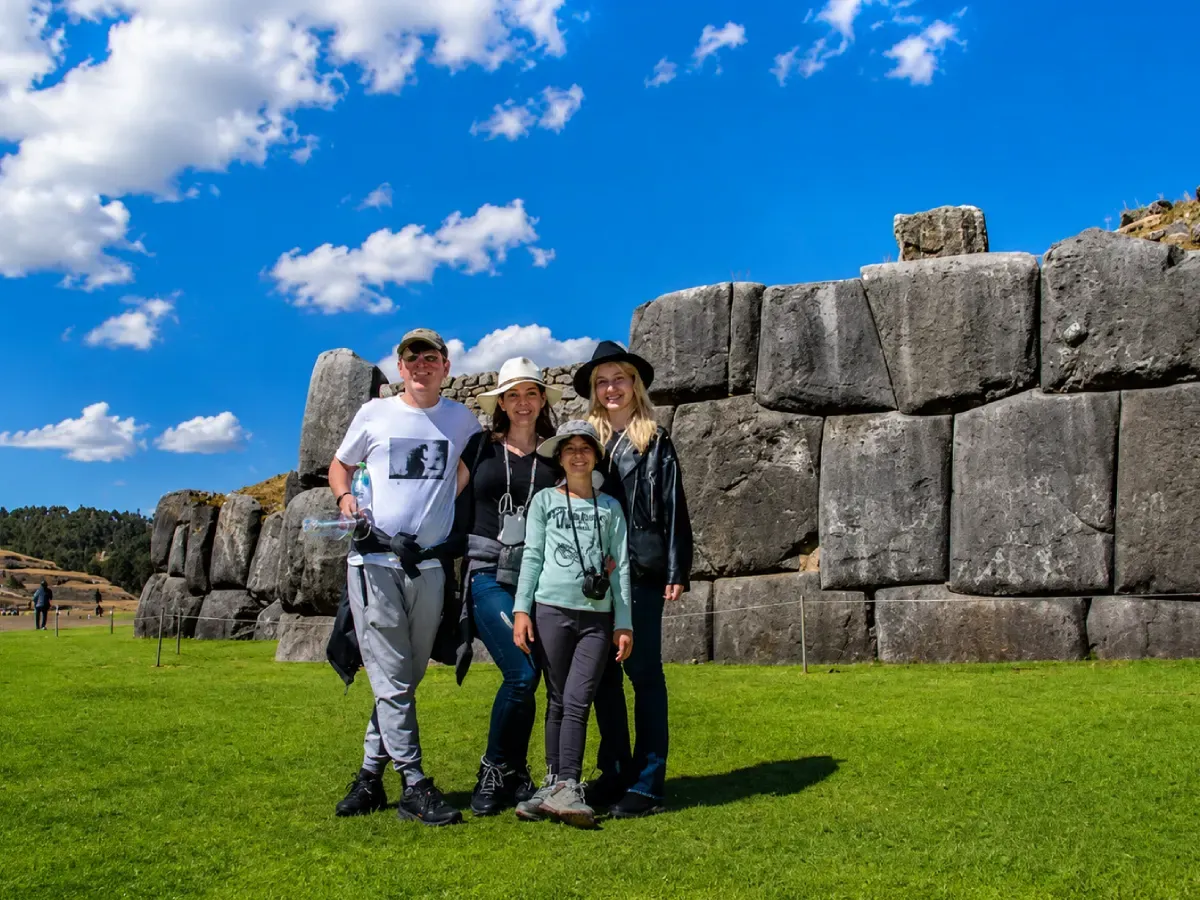
At Dreamy Tours, we believe every journey should be personal. We create unique moments around what matters most to you.
Family travel
Flexible itineraries and activities for all ages. Memorable moments for children and adults alike.
Honeymoons
Romance, privacy and dreamlike scenery. The perfect beginning to your next adventure together.
Adventure travel
Hiking, trekking and a little adrenaline. For travelers who want to go further with every journey.
LGBTQ+ friendly
Travel freely in a welcoming, respectful atmosphere. Celebrate love and diversity at every destination.
Tailor-made travel
Your interests, your pace, your budget. A journey designed around you, down to the details.
Private travel
Time and space for you and your loved ones. Private guides, dedicated transport and complete flexibility.
Our commitments
Travel with purpose
We believe in a way of travelling that respects nature, celebrates our cultures, creates opportunities for everyone and contributes to the well-being of communities
Excelente experiencia. Cumpió tadas mis expectativas y más, La calidez y profesionalismo del guía Henry Quintano y su ayudante Percy nos hucieron sentir muy seguros y nos enseñaron mucho de la cultura quechua y de la historia de estos pueblos. Siempre estuvieron pendientes que no nos falte nada y que todo salga de la mejor manera. Muy recomendable. La comida nos sorprendió por su variedad y abundancia.
Viajamos em família e a Lia e Luciana nos ajudaram a organizar tudo, sempre atentas aos detalhes, pedidos especiais do grupo e orientações. Ainda, selecionaram um lunch box para a trilha de 2 dias e um restaurante no tour do Vale Sagrado que nos surpreenderam positivamente. Os almoços foram deliciosos, cheios de sabores peruanos!
Fizemos 3 tours com a Dreamy Tours e os 3 guias que nos receberam (Andi, Jimmy e Paula) foram excepcionais! Nos explicaram todos os detalhes e todas as histórias dos locais visitados.
Hemos hecho el paquete de 10 días con nuestros dos hijos y ha sido un acierto. Todo muy bien atado: vuelos, traslados, excursiones y hoteles. Los niños disfrutaron muchísimo y nosotros pudimos relajarnos porque no tuvimos que preocuparnos de nada. El guía local era muy simpático y paciente con los peques. Repetiríamos sin dudar.
Nuestro viaje familiar a Cusco y Machu Picchu con Dreamy Tours fue increible. La agencia organizo todo perfectamente: traslados puntuales, un guia excelente y recomendaciones geniales.
Contratamos la agencia desde Argentina, y de principio a fin la experiencia fue excelente. Muy buena atencion, siempre estan en contacto para lo que necesites.